Directing the Film Actor
A full day in Guangzhou with a 48-year directing veteran: a morning of how to think, an afternoon of real auditions and callbacks in the room.
Event posters
6 frames - scroll or use the arrows
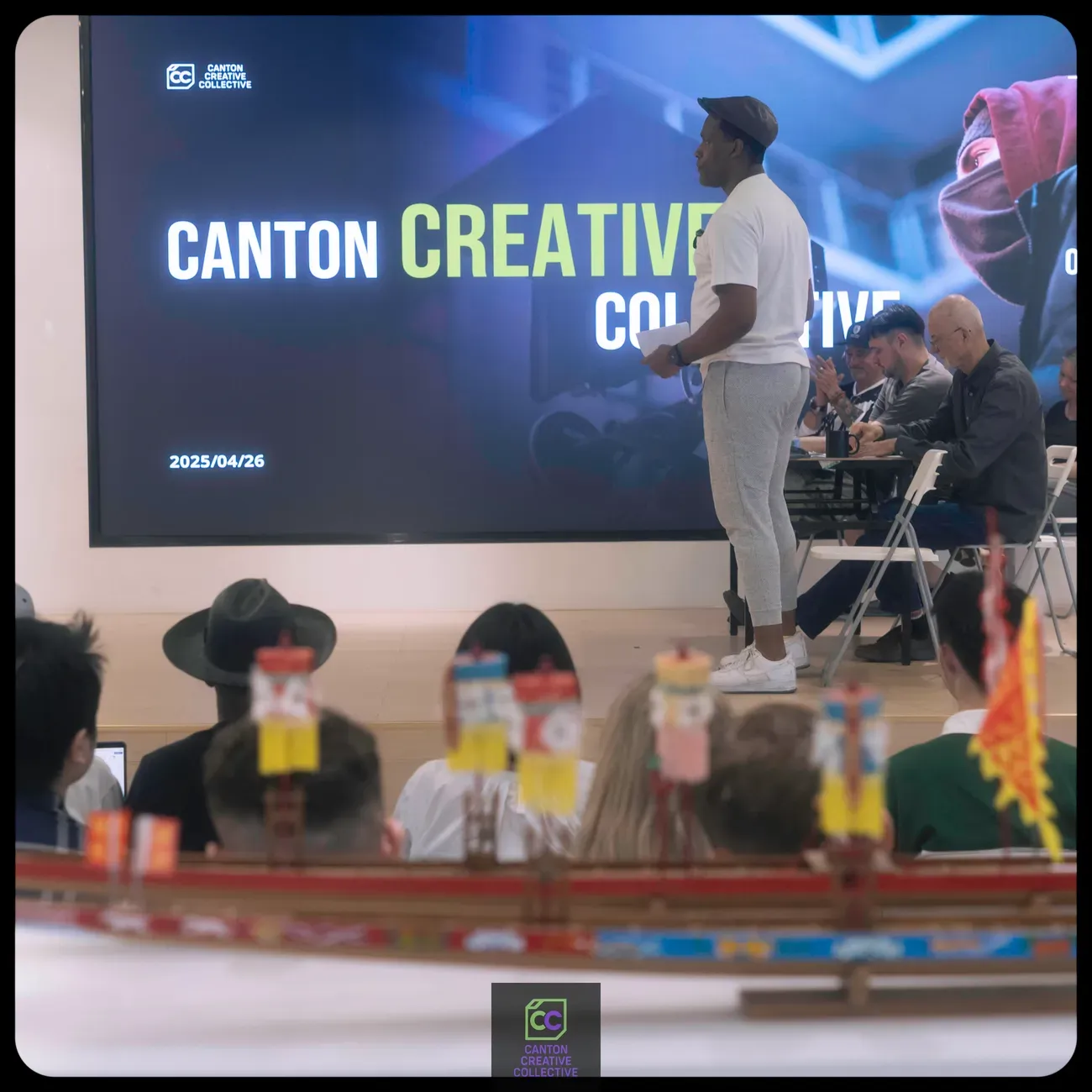
Most of us learn to direct actors by getting it wrong on a live set, with the clock running and the AD circling. This one was the opposite. For a full day in April, the Guangzhou chapter sat down with someone who has spent nearly fifty years figuring this out, and got to work through it before the stakes were real. Ten in the morning to six at night, ticketed, and worth every minute of it.
Who ran the room
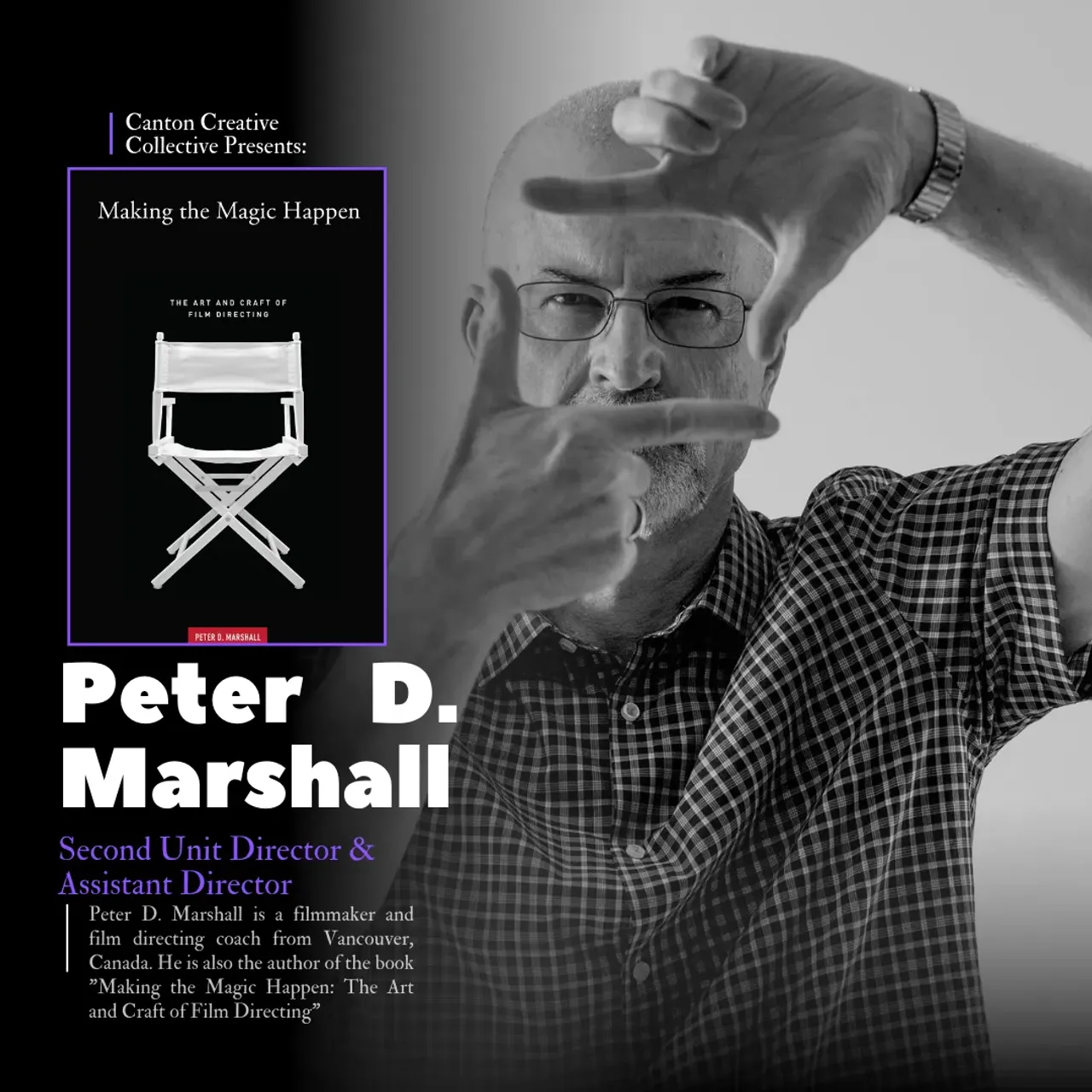
Peter D. Marshall is a filmmaker and directing coach out of Vancouver, with 48 years in film and television behind him. He came up the hard way on real sets: 1st AD and second unit on features like Dawn of the Dead, The Butterfly Effect and Happy Gilmore, then in the chair himself for 30-plus episodes of TV drama, including John Woo’s “Once a Thief,” 21 Jump Street and Neon Rider. Along the way he has worked with John Woo, Mel Gibson and Halle Berry. He wrote the book on it, literally: “Making the Magic Happen: The Art and Craft of Film Directing.” More than 2,400 filmmakers worldwide read his monthly ezine, “The Director’s Chair.”
That is the kind of get this chapter is here to land. Not a guest lecture. A working director, in the room, for a full day.
Morning: how to think
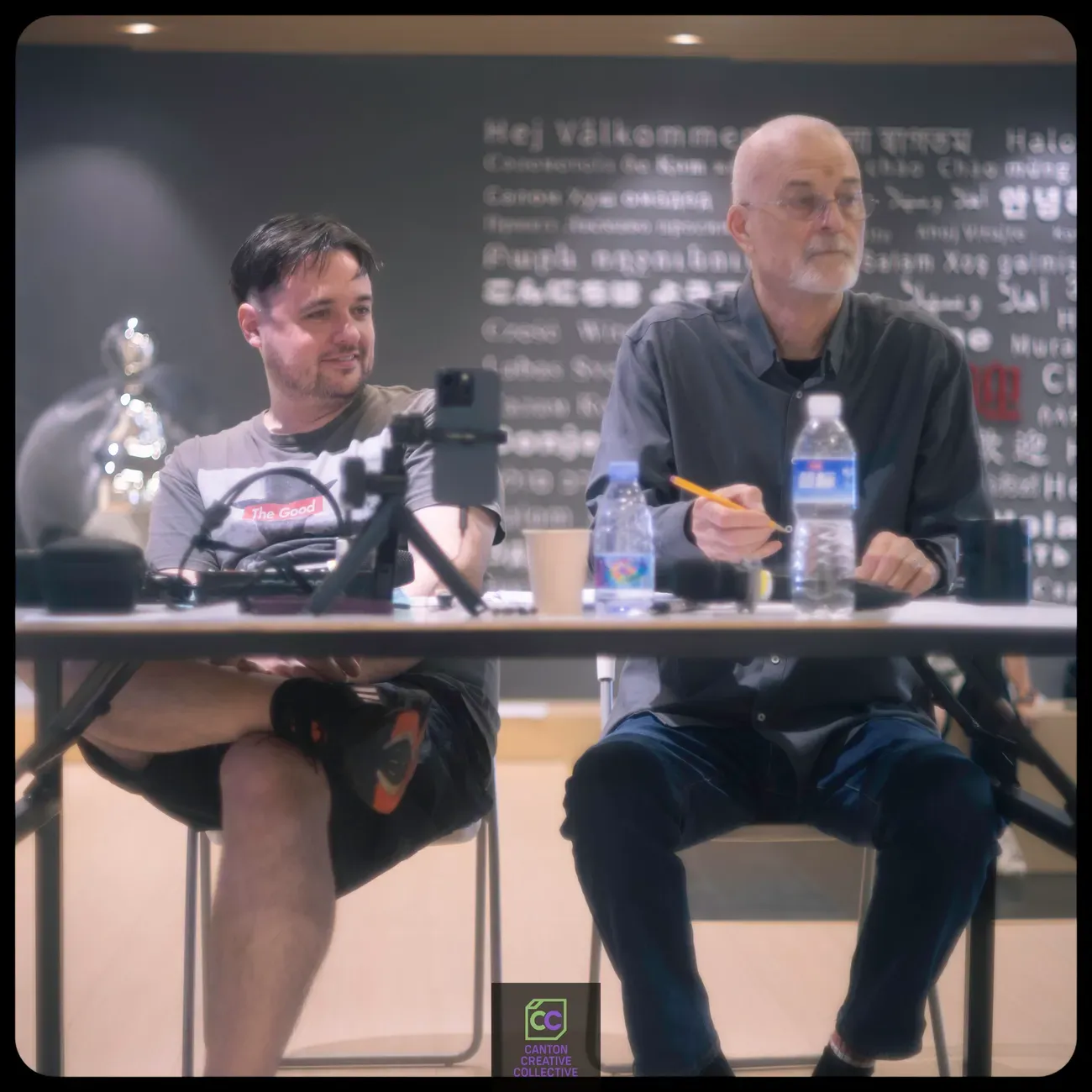
The first half was theory, but the useful kind, the stuff that changes how you read a page. Peter opened by laying out the five types of directors, which is a sharper question than it sounds: knowing which one you are tells you how you are going to handle the people in front of the lens. From there into basic script and scene analysis, then the heart of the morning, the director and actor working relationship and how you build the trust that makes a real performance possible.
He walked the room through what he calls the actor’s language, the difference between telling someone what to do and giving them something to play. And he closed the morning on craft you can use the next time you cast anything: a seven-stage casting process, start to finish. Then a quick lunch, because the afternoon was where it got real.
Afternoon: watch it happen
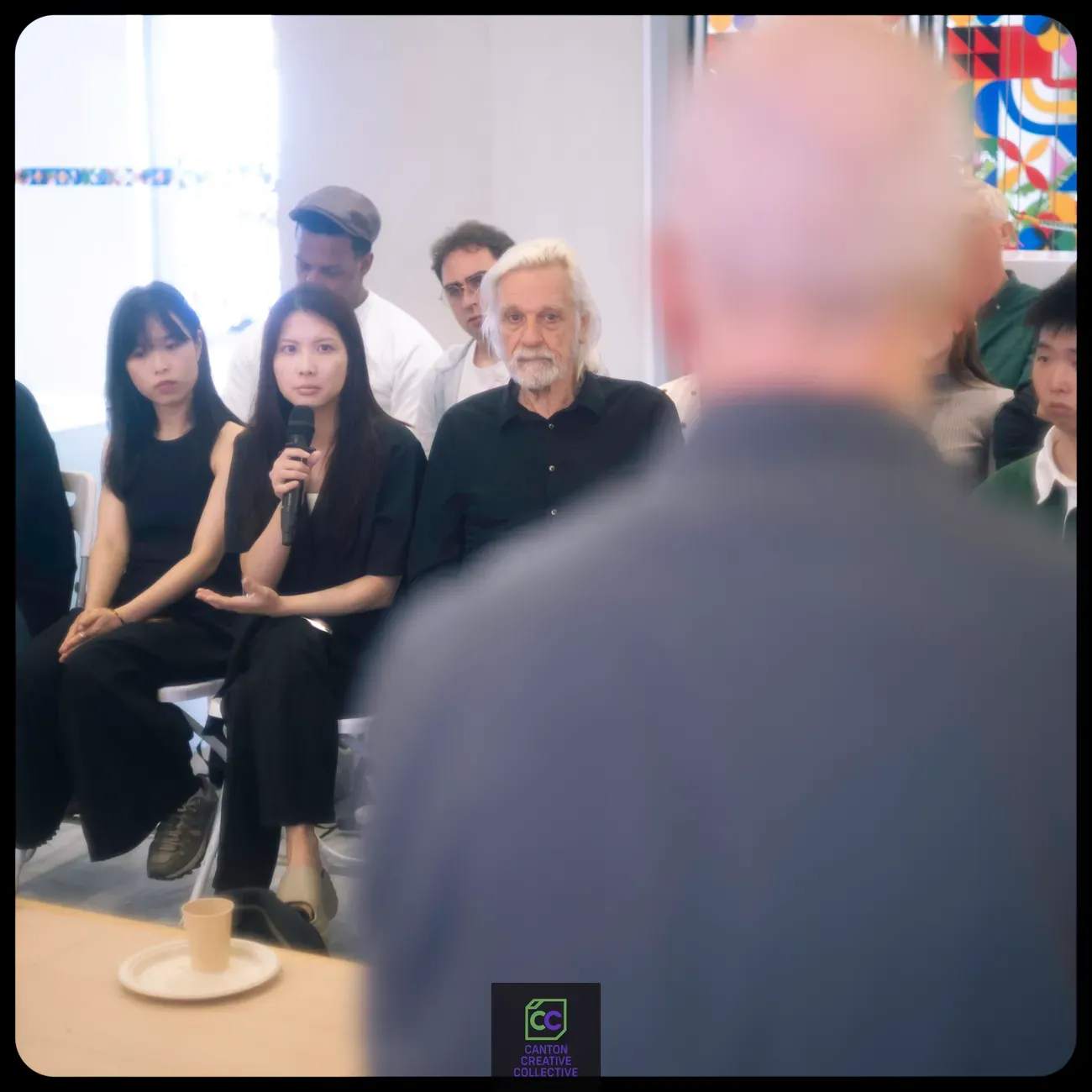
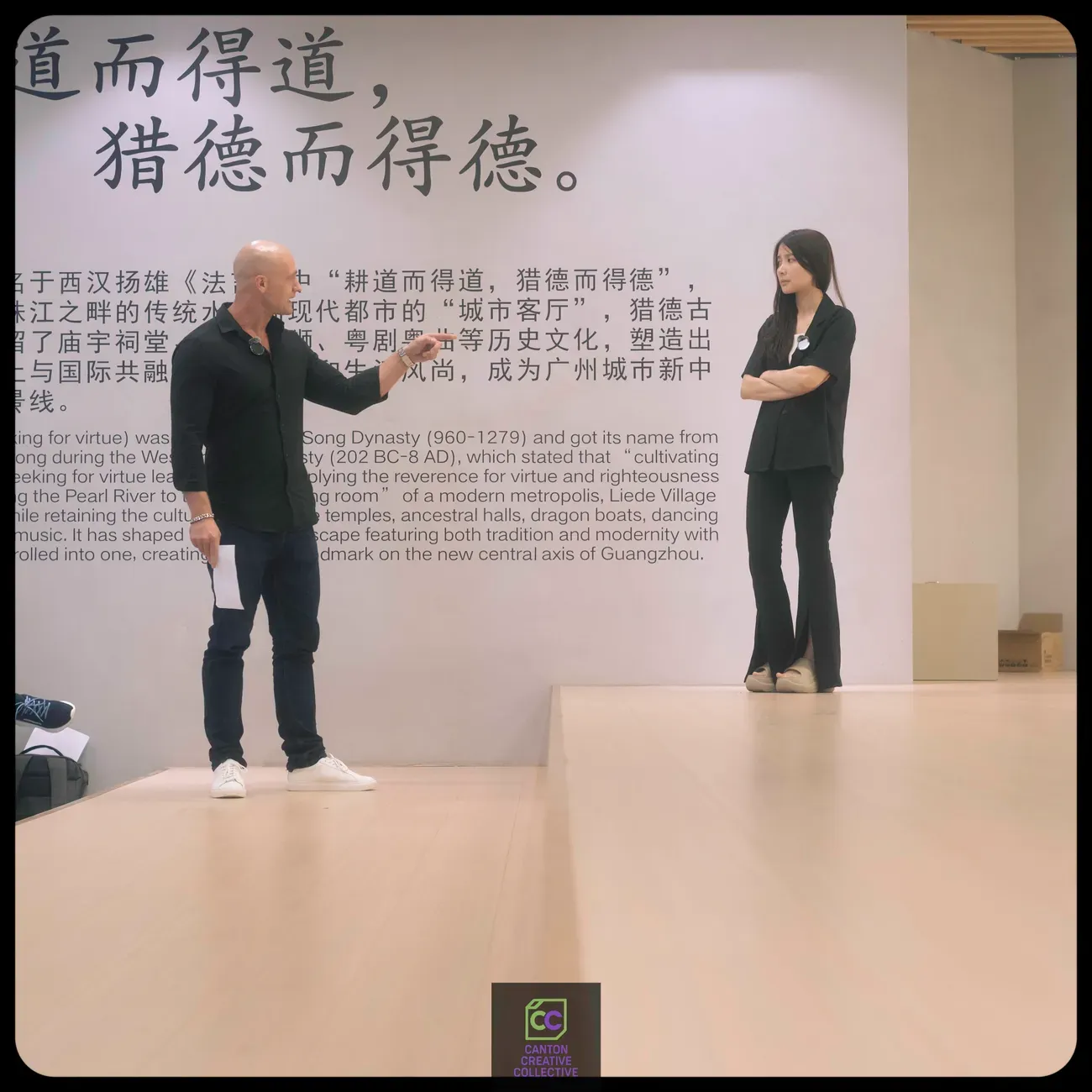
This is what you cannot get from a book. After the break, professional actors came in and auditioned live, in front of the class, with another actor reading opposite them. While they worked, the rest of the room scored them on casting sheets, the same way you would in a real session. Then a new actor, a new reader, and round again. You learn more watching one audition find its feet, or lose them, than you do from a week of theory. After the last one, the class talked it through with Peter and debriefed what they had just seen.
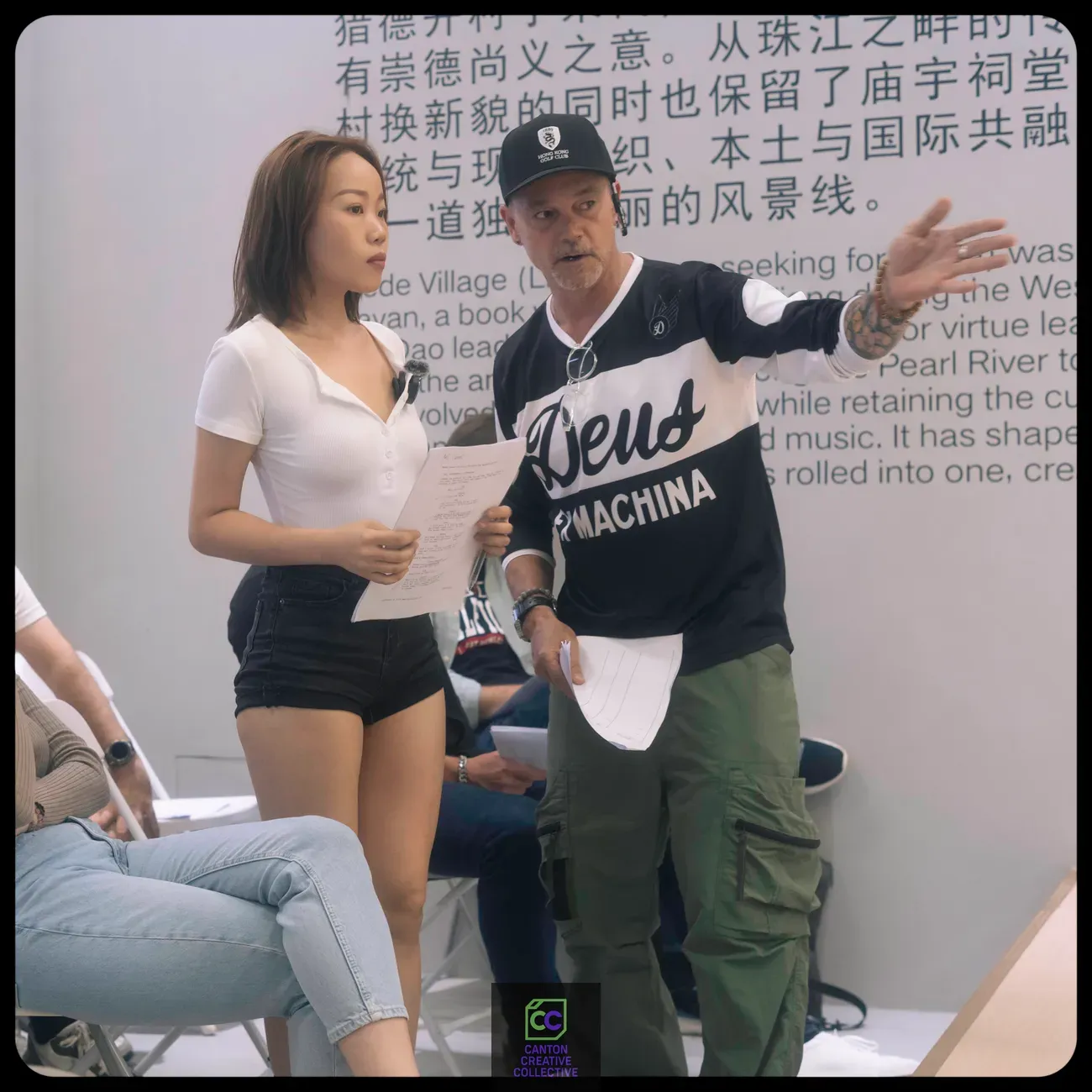
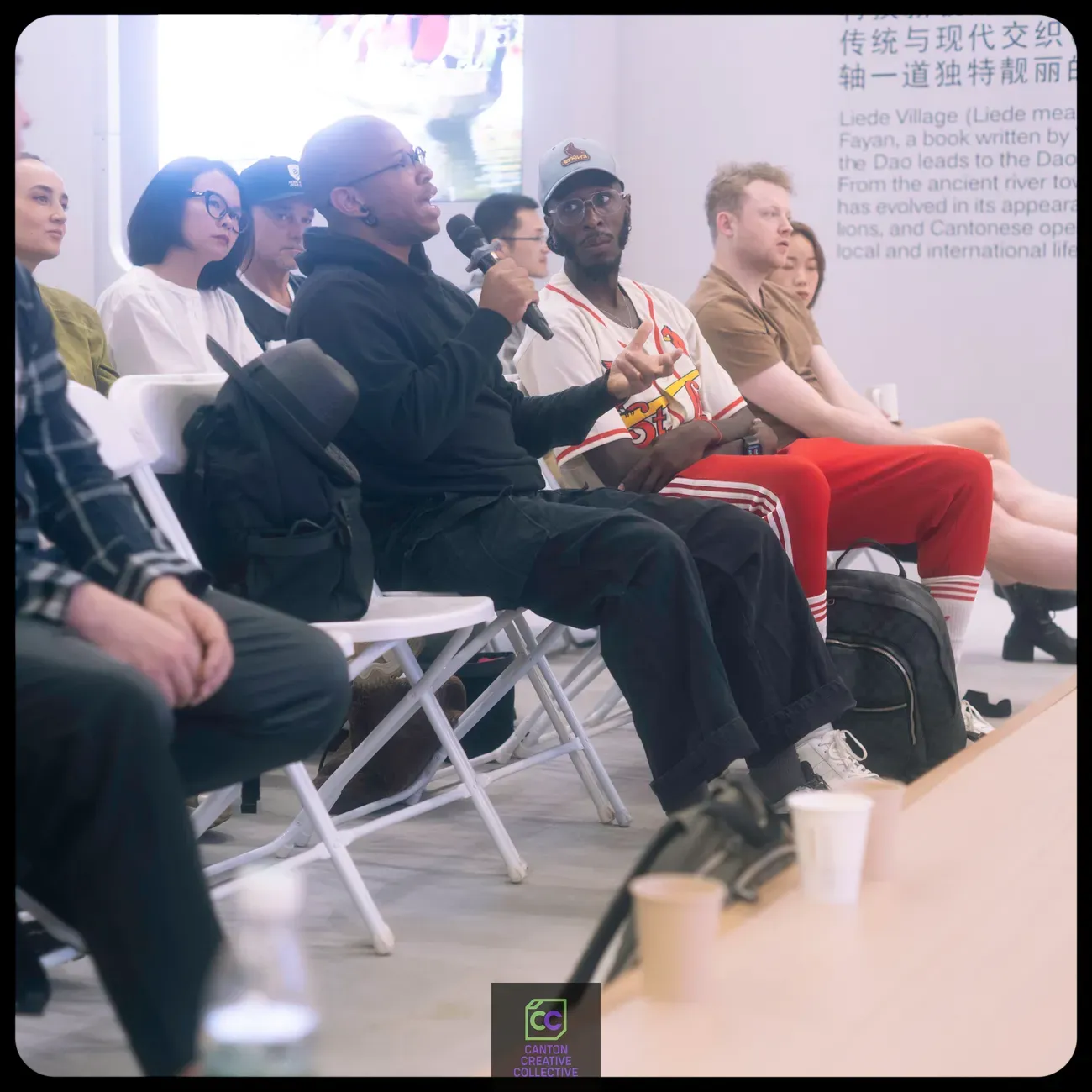
Then callbacks. The same four actors, two men and two women, ran callbacks in pairs while the class made notes, which is a different beast entirely: now you are reading chemistry, not just performance. Another open discussion and debrief followed, and the day ended where these things should, with the room putting its questions straight to Peter in a Q&A. By six, everyone had sat on the other side of the casting table for a day, and it shows in how you run the next one.
The bigger point
This is the kind of thing CCC exists to do. A ticketed workshop, a serious coach, and a room of people in Guangzhou who walked out knowing more about the craft than they did that morning, not from slides, but from watching real auditions happen three feet away.
If you missed it, that is the bad news. The good news is there is always a next one. We run workshops, screenings and gatherings across the chapters, and the day-to-day lives on our WeChat and Instagram. Follow both, and you will see the next one before it sells out.