Directing the Film Actor
The casting room came to Shenzhen. A full day on a white cyc floor, watching actors audition live while the class held the casting sheets.
Event posters
7 frames - scroll or use the arrows
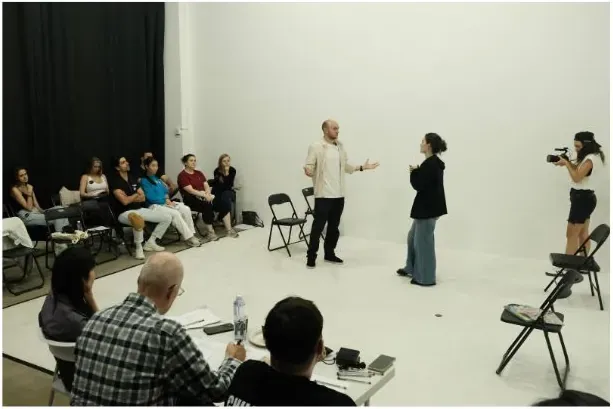
A clean white cyclorama. No desk, no lectern, no hiding. Just a studio floor, a couple of actors, and a class learning to read a performance the way a director has to. On Sunday, 27 April, “Directing the Film Actor” came to Shenzhen, the second stop of the same weekend that ran in Guangzhou the day before. Same workshop, same teacher, new room. And the room mattered.
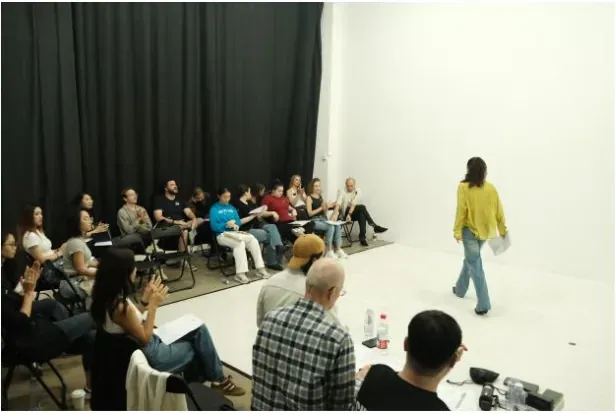
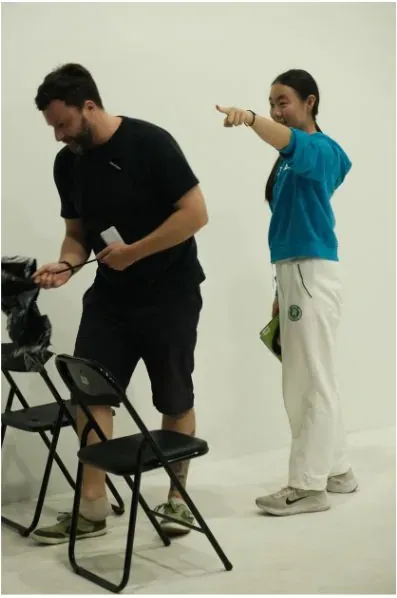
We ran it at PAFI Studio in Longgang, a working photography space, co-presented with our Shenzhen partner. Most directing talks happen in a lecture hall with a projector and rows of chairs. This one happened where pictures actually get made. By the afternoon, professional actors were running scenes on that white floor while the rest of us sat a few feet away with casting sheets in hand. You felt the distance close.
Who ran the room
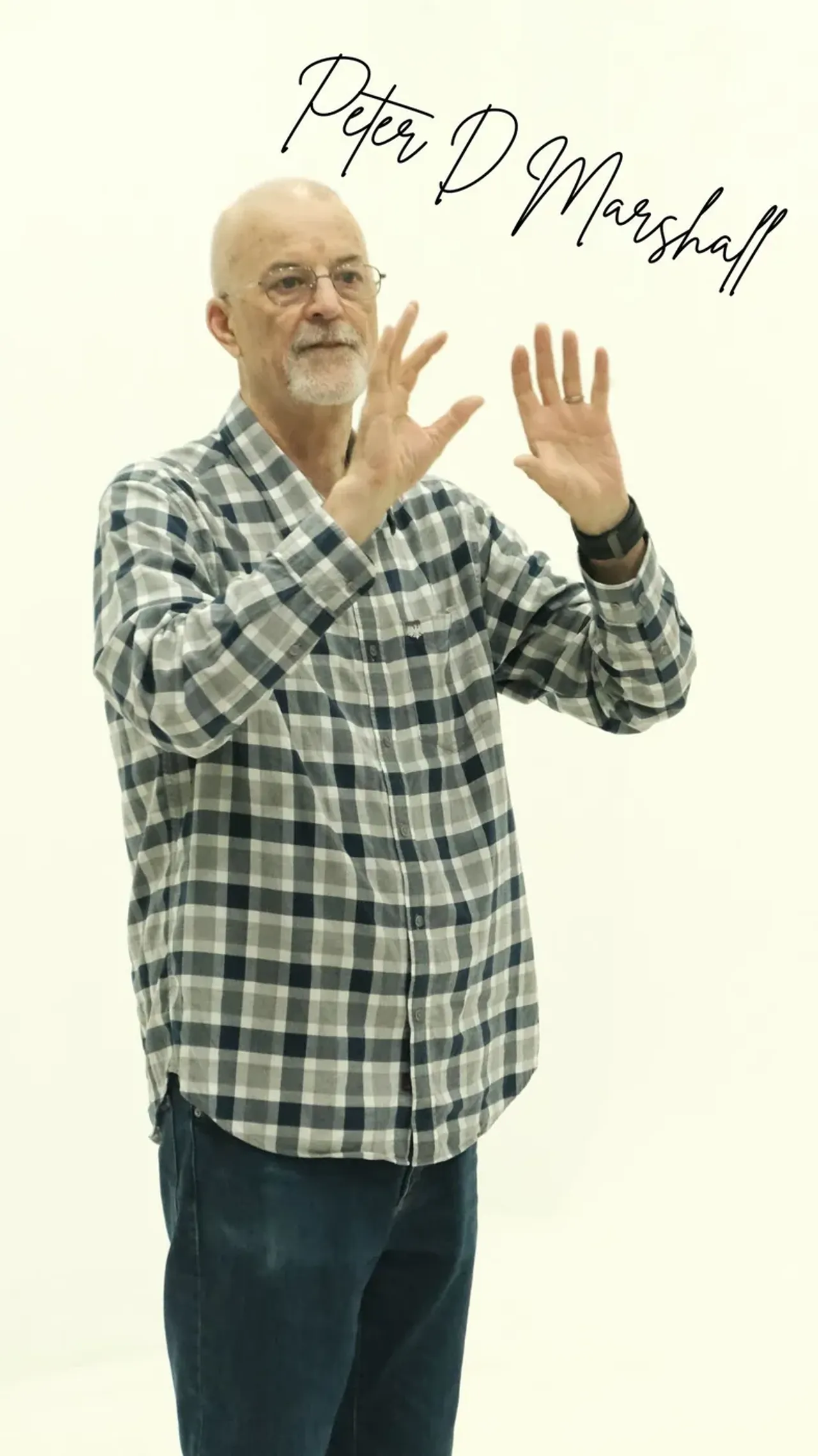
Peter D. Marshall is a filmmaker and directing coach out of Vancouver with 48 years in film and television. He worked first AD and second unit on “Dawn of the Dead,” “The Butterfly Effect” and “Happy Gilmore.” He directed more than 30 episodes of TV drama, including John Woo’s “Once a Thief,” “21 Jump Street” and “Neon Rider.” Along the way he worked with John Woo, Mel Gibson and Halle Berry. He wrote “Making the Magic Happen: The Art and Craft of Film Directing,” and more than 2,400 filmmakers read his ezine, “The Director’s Chair.”
So when he talks about working with actors, it is not theory he read somewhere. It is four and a half decades of standing next to the camera, getting the take.
Morning: how to think
The day ran 10 to 6. The morning was the foundation, the part you cannot skip.
Peter started with the five types of directors, because the kind of director you are decides how you talk to an actor in the first place. From there into script and scene analysis: what the scene is actually about under the dialogue, what the actor needs from you to play it. Then the director and actor working relationship, the thing most sets get wrong, and the actor’s language, the words that open a performance up instead of shutting it down.
He closed the morning on the seven-stage casting process. Not “how to pick someone you like.” A real method for finding the right actor and knowing why they are right. By lunch the class had the framework. After lunch, they watched it run live.
Afternoon: watch it happen
This is where the white floor earned its keep.
Professional actors came in and read opposite each other, real audition simulations, while the class scored them on casting sheets. You were not watching a demo. You were casting. Peter stopped the room to break down the common audition mistakes, the tells that sink a read before it starts, and then sent the actors back in to go again. Same scene, different choices, and you could see the difference land on the page in front of you.
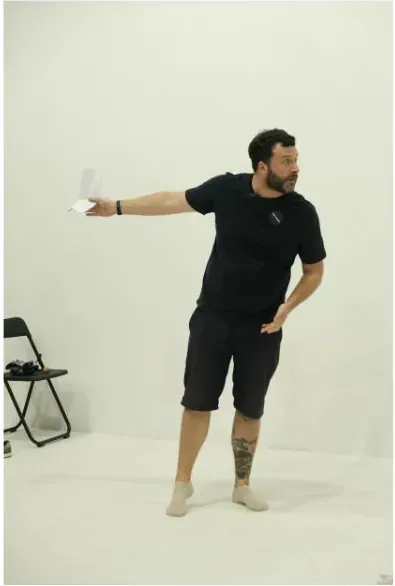
Then callbacks. Then the debriefs, where Peter walked through what he saw and why, the reasoning behind every call. The day finished with an open Q&A, the kind that runs long because nobody wants to be the one to leave.
The bigger point
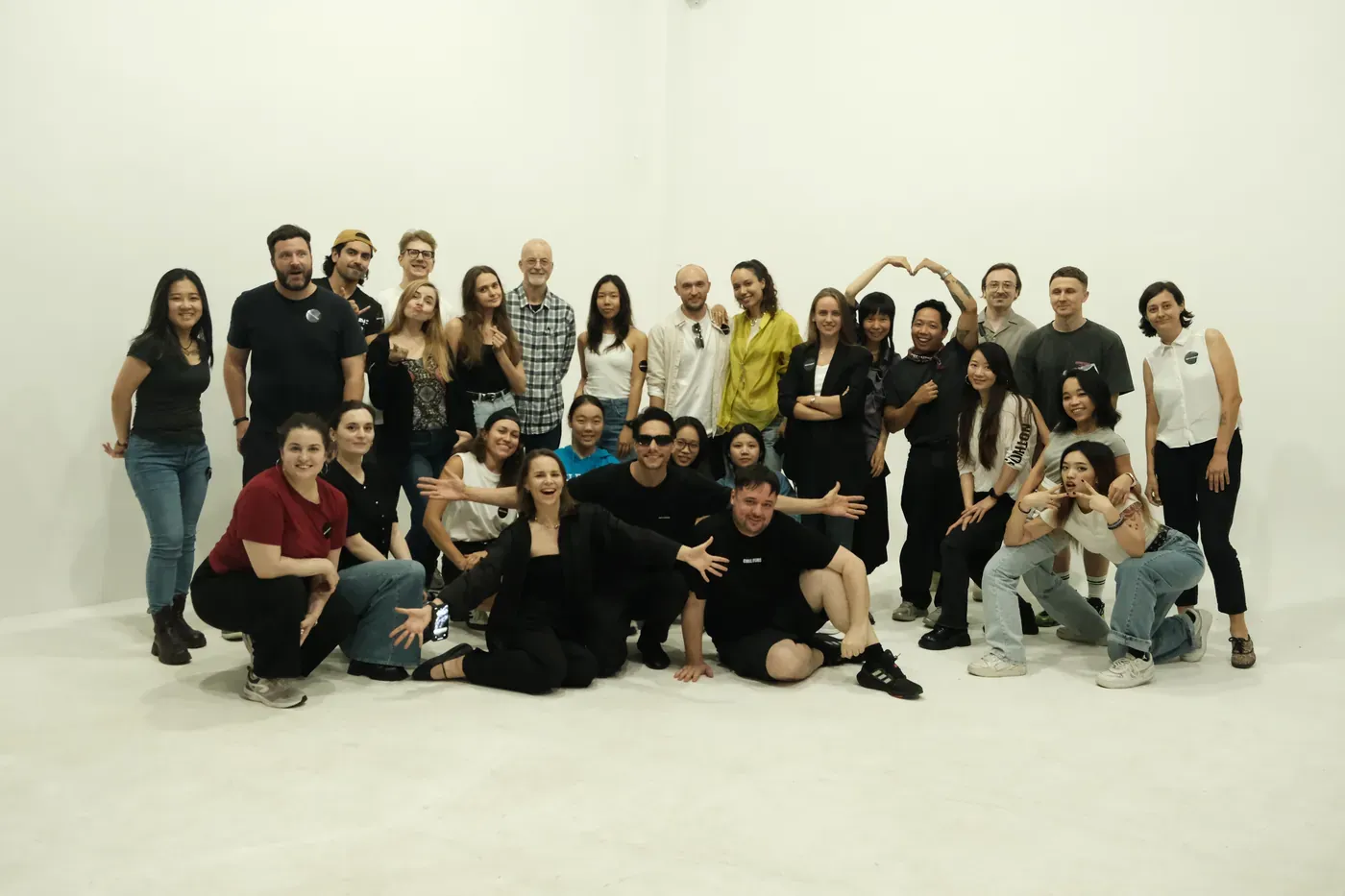
CCC does not run workshops to fill a calendar. We run them because a working filmmaker in Shenzhen should not have to fly to learn from someone who has actually done the job. The talent is here. The appetite is here. What was missing was the room where it all gets in front of someone like Peter. For one Sunday in Longgang, it was not missing.
This was the Shenzhen chapter doing what it is for: bringing the real thing to people who can use it tomorrow.
The next one will not announce itself. Follow CCC on our WeChat and on Instagram to know when it lands, here or in Guangzhou. Show up, and you are in the room.